


Welcome To The Department Of Aerospace, Physics And Space Sciences
Mission
The mission of the Department of Aerospace, Physics and Space Sciences is to guide the next generation of engineers and scientists into careers they will love, to understand the physics of the universe, and drive humanity’s future in the air and in space.
Department Head's Message
Ratneshwar (Ratan) Jha, Ph.D.
Welcome to the Department of Aerospace, Physics and Space Sciences!
It is a remarkably exciting time to be part of the aerospace, physics and space sciences global community. We are experiencing a rapid advance in technology that is driving substantial growth in astronautics and aeronautics. This same growth is also enabling us to probe the physics of the universe in more and more detail.
Computational fluid dynamics drives our understanding of atmospheric interactions with a range of vehicles and the behavior of spacecraft propellants once weightless. Astrodynamics determines the trajectories of spacecraft and how they may interact with each other during complex and complementary maneuvers. Each of these fields are on the critical path for returning us to the moon, carrying us on to Mars, and designing future satellite missions.
We are also seeing fundamental breakthroughs in particle physics with the detection of the mass-providing Higgs Boson at the LHC, advances in our understanding of lasers and lightning, and regular missions to the International Space Station. We are probing the solar wind like never before, supporting interplanetary missions and those missions that have left solar system, and uncovering the nature of massive stars and the extreme environments at the centers of galaxies created by supermassive black holes.
Aerospace, Physics and Space Sciences students and faculty are right there at the forefront of these activities and in many cases leading them.
We are committed to providing undergraduate and graduate students with the tools they need, both in the classroom and the research environment, to become the next world leaders in the fields of astronautics, aeronautics, physics, astrobiology, astronomy & astrophysics and planetary science. These skills include mastering the core fundamentals of math and physics regardless of the major, and the application of the critical thinking skills needed to solve complex original problems. Such training makes our graduates very attractive to employers. There are multiple career opportunities available that include working for a full range of aerospace companies, national research labs, the federal government, defense agencies, high-tech companies, and universities.
Florida Tech offers benefits unavailable at most other schools. We are one of the largest programs in the county in one of the smallest schools. This means our students enjoy getting to know many like minded individuals and professors that are regularly available to direct research and spend valuable time outside of the lecture room. Our close relationship with NASA, our ties to the global space community, and our Space Coast location, ensures many opportunities for experiences with the cutting edge instrumentation that forms the back-bone of our space-based ambitions.
If any of these areas sound like something you'd like to make a career out of, then we might just be the place for you.
Undergraduate Degree Programs
- Aerospace Engineering, B.S.
- Astrobiology, B.S.
- Astronomy and Astrophysics, B.S.
- Physics - Premedical Physics, B.S.
- Physics, B.S.
- Planetary Science, B.S.
Graduate Degree Programs
- Aerospace Engineering, M.S.
- Physics, M.S.
- Space Sciences, M.S.
- Space Systems Management, M.S.
- Space Systems, M.S.
- Aerospace Engineering, Ph.D.
- Physics, Ph.D.
- Space Sciences, Ph.D.
Nondegree Program
In the News
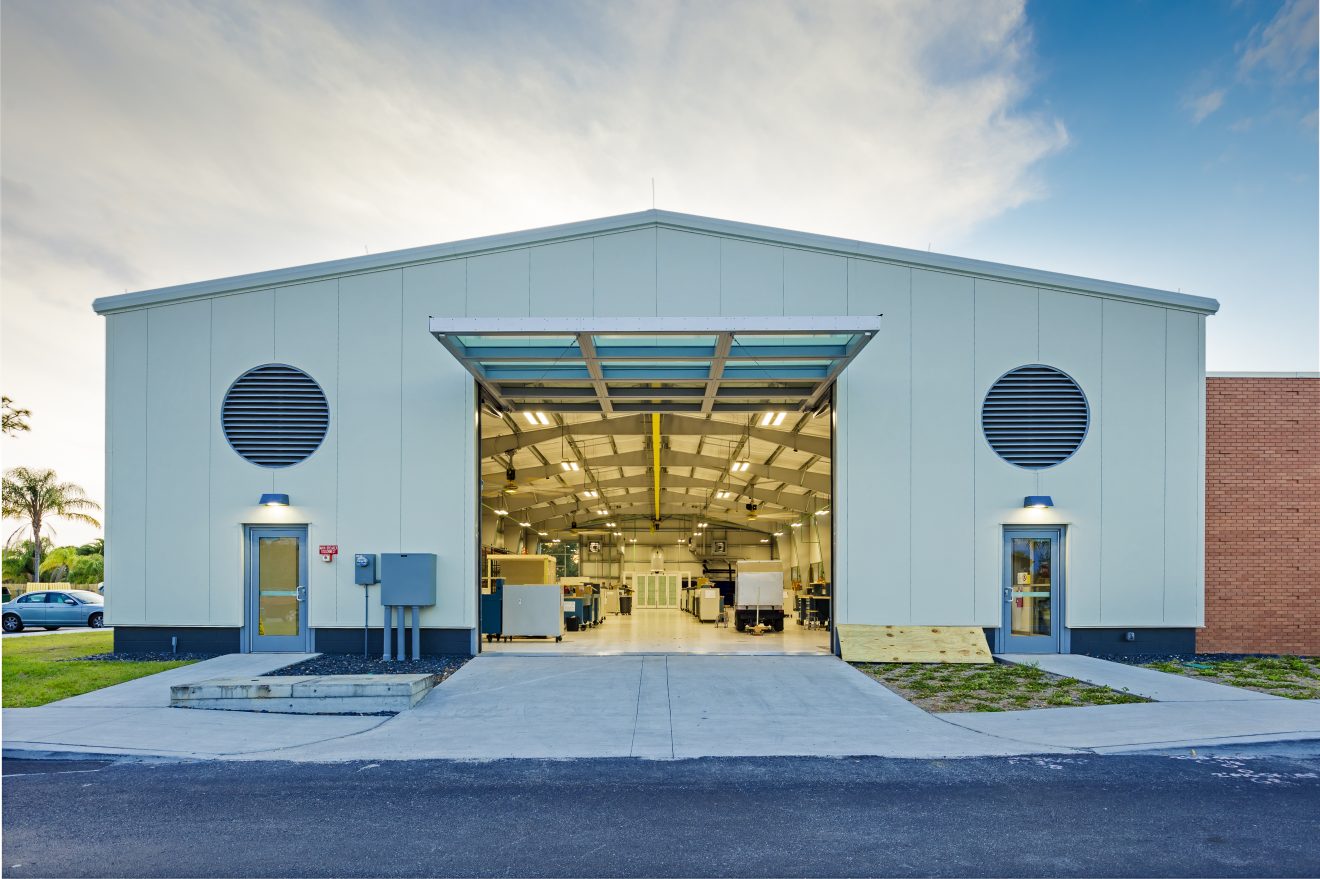
Student Design Showcase Projects: Aerospace and Mechanical Engineering
A look at some of the exciting projects our students are working on for the Northrop Grumman Engineering and Science Student Design Showcase.
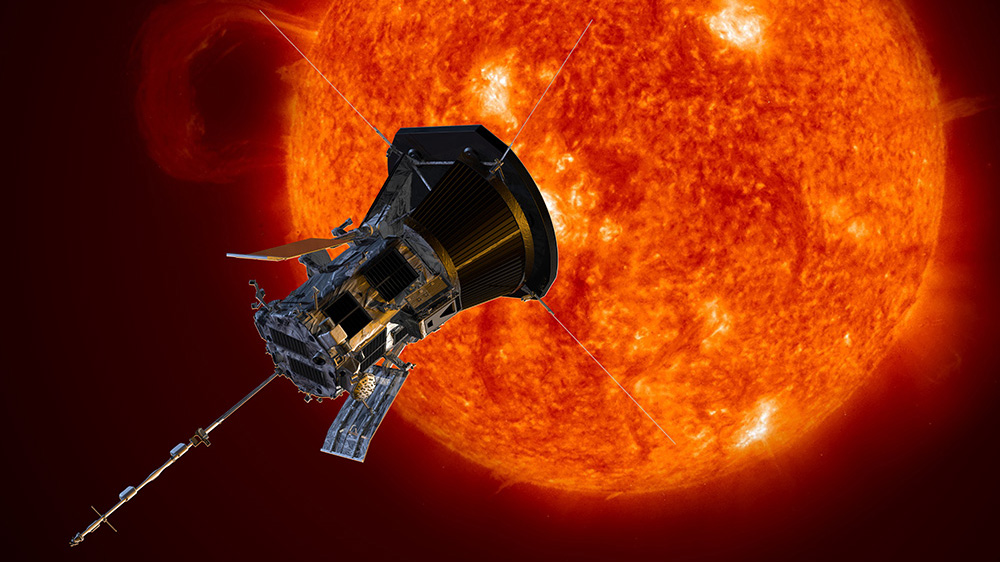
Ahead of Solar Eclipse, Florida Tech Hosts Sun Talk March 18
The spring 2024 installment of Florida Tech’s Ortega Lectureship begins at 7 p.m. at the Gleason Performing Arts Center on campus.
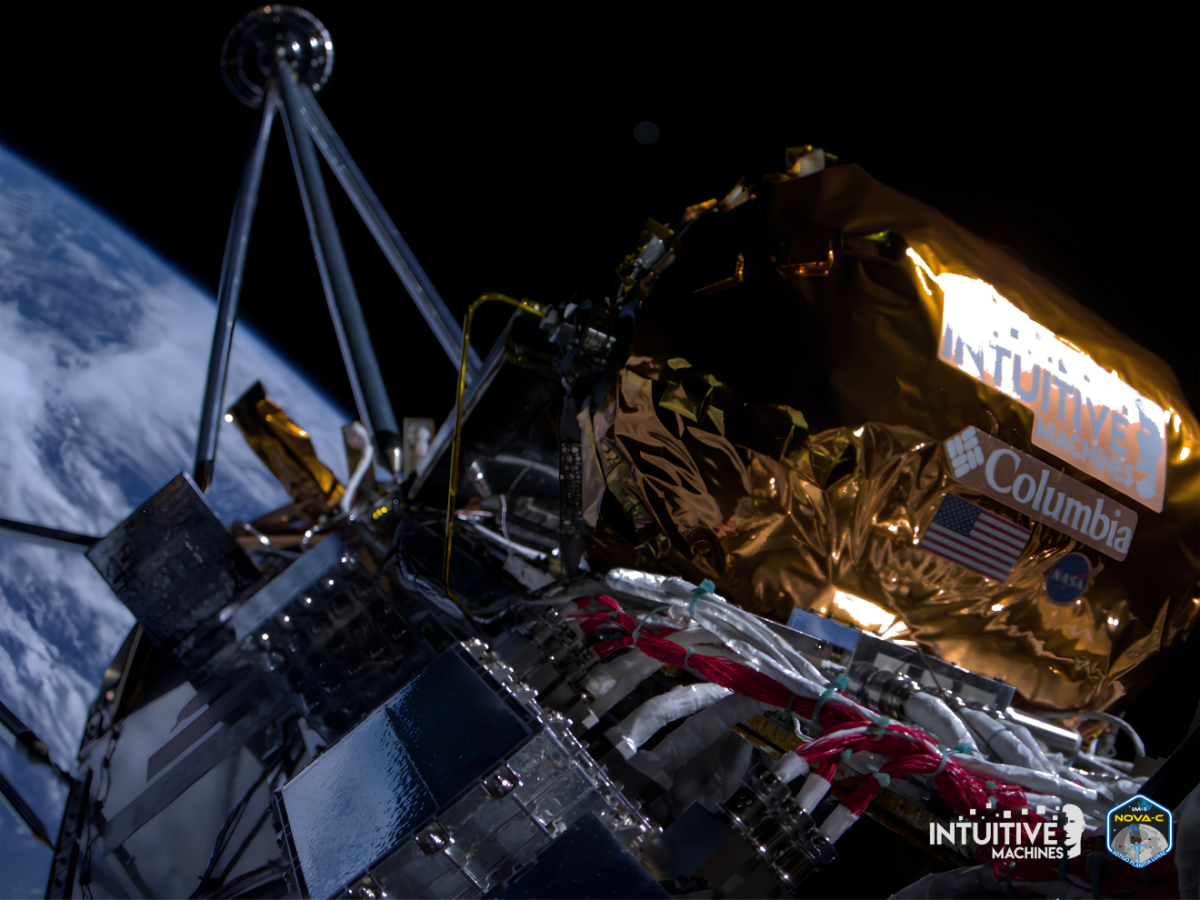
Florida Tech Professor Part of Team Behind Key Lunar Lander Payload
As a Ph.D. student, aerospace engineering assistant professor Madhur Tiwari led the dynamics and simulation team for the EagleCam CubeSat.